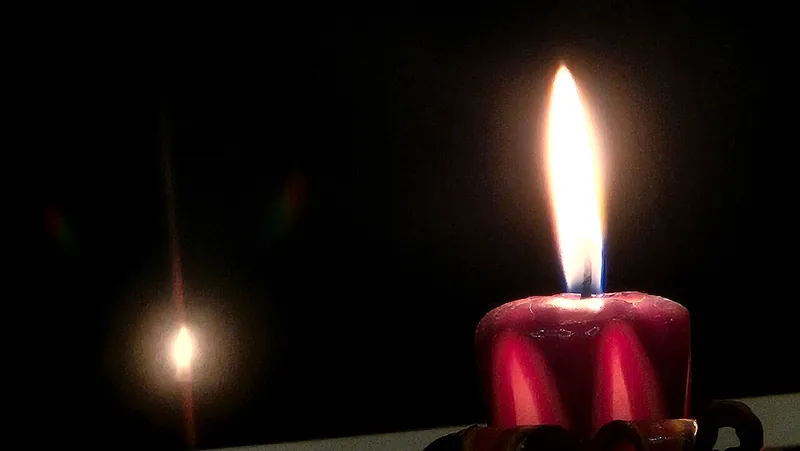
In the flickering candle flame, historical images unfold from medieval Rus’ to modern Russia. Events, people and candlelight tell the story of a country.
StaritsaCandleFactory
✦
Light through the ages15 historical chapters
Light through the ages
From medieval Rus’ to modern Russia, through lives, discoveries and times of change. Candlelight connects fifteen chapters: in churches and homes, in celebration and remembrance.
As the country changed, so did the candle. Stearin and paraffin joined wax and tallow; handcraft existed alongside factory production. Electricity transformed everyday life, while the living flame retained its place in tradition and personal memory.
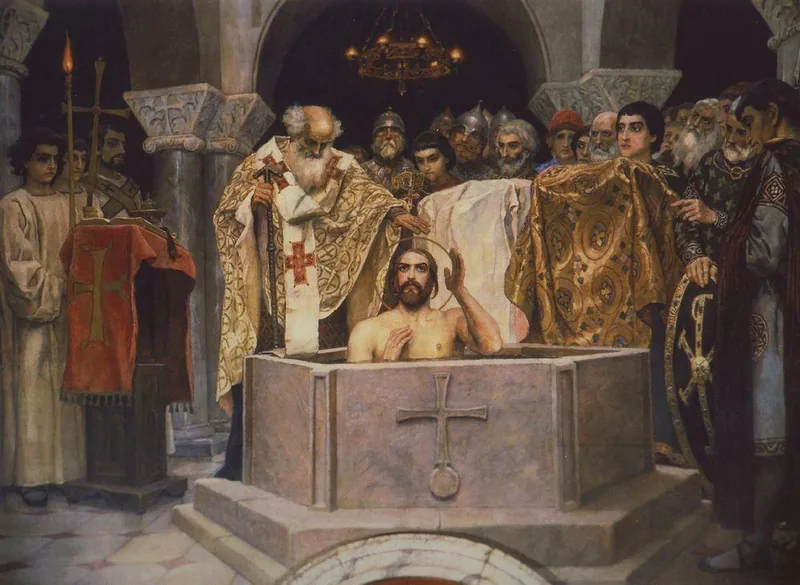
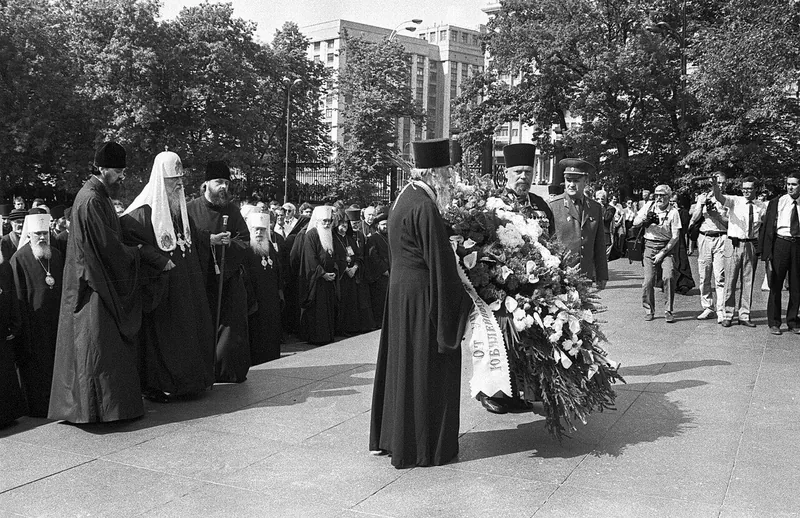
The baptism of Rus’ under Prince Vladimir marked a turning point in spiritual and cultural life.
Candle making
The Christian tradition brought the lighting of wax candles in churches. Their light accompanied prayer, while beeswax linked church life to the work of forest beekeepers and candle makers.
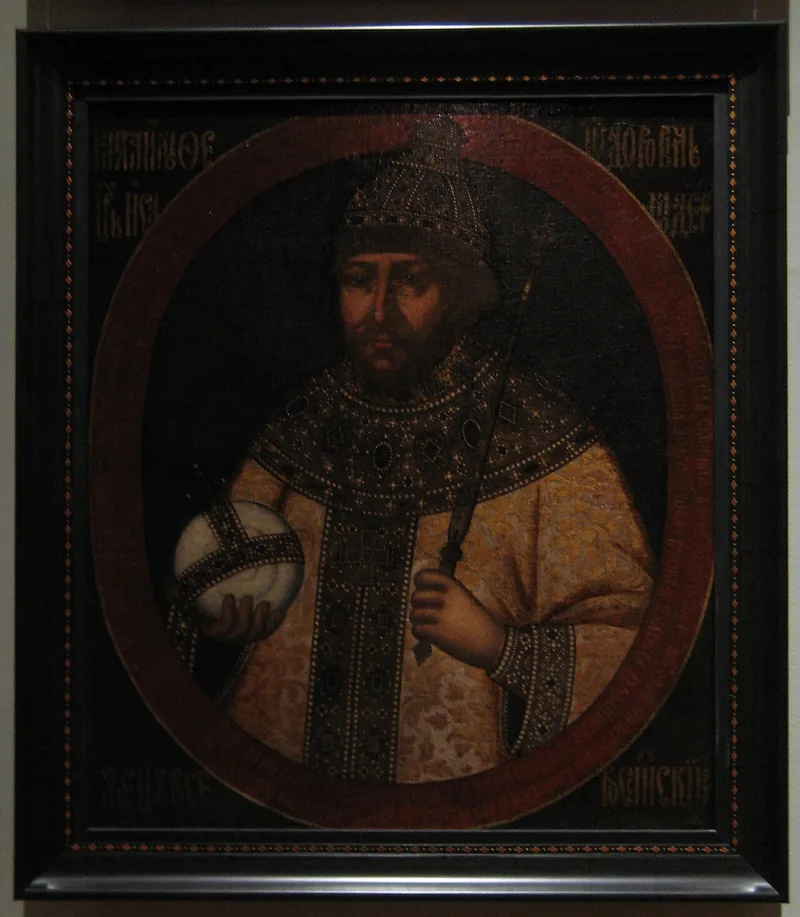
After the Time of Troubles, the Assembly of the Land elected Mikhail Romanov as tsar. Recovery and Romanov rule began.
Candle making
Before electricity, light reflected wealth: costly wax candles stood alongside cheaper tallow candles, while pine splints remained common in peasant homes.
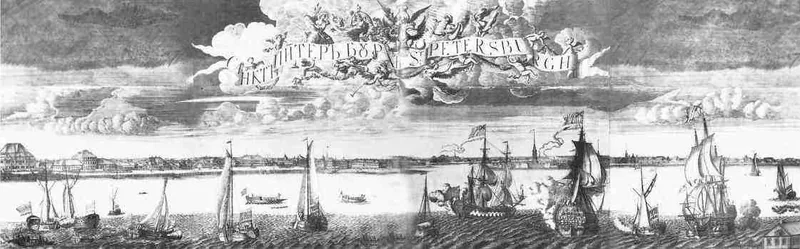
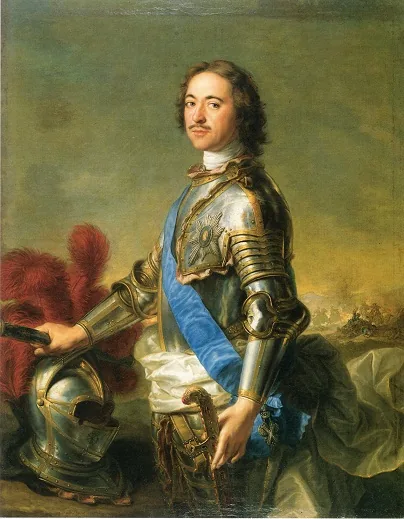
After the Great Northern War, Peter I assumed the title of emperor. Russia entered its imperial era.
Candle making
Candlelight linked ceremonial halls with chandeliers and candelabra, domestic rooms and church services. Behind that light lay the daily work of craftspeople.
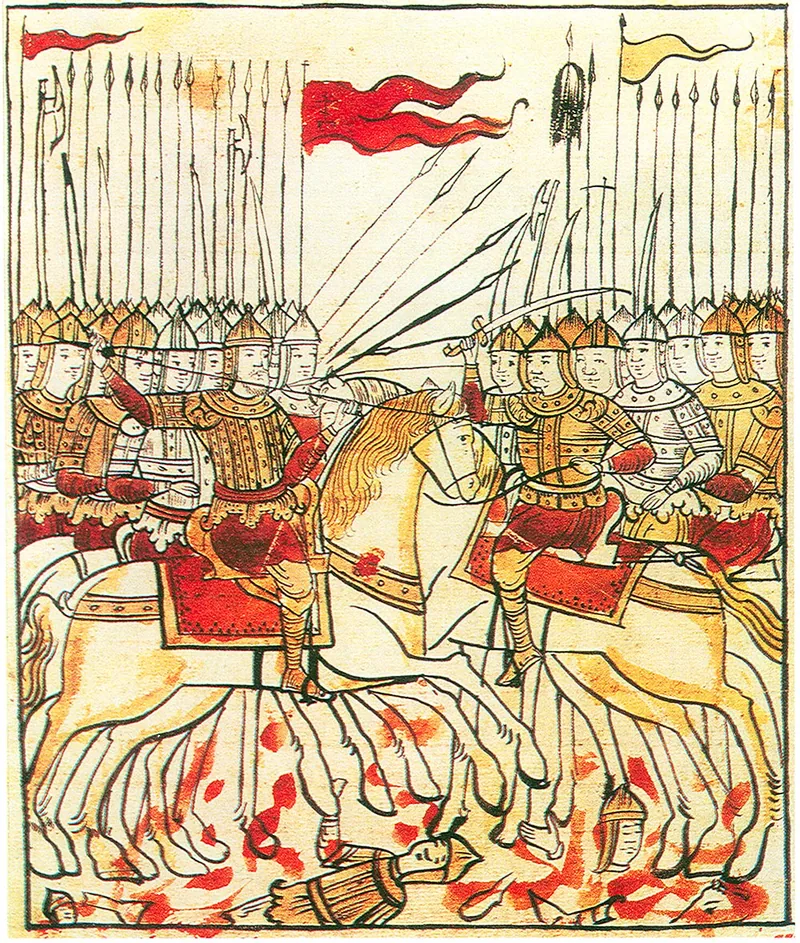
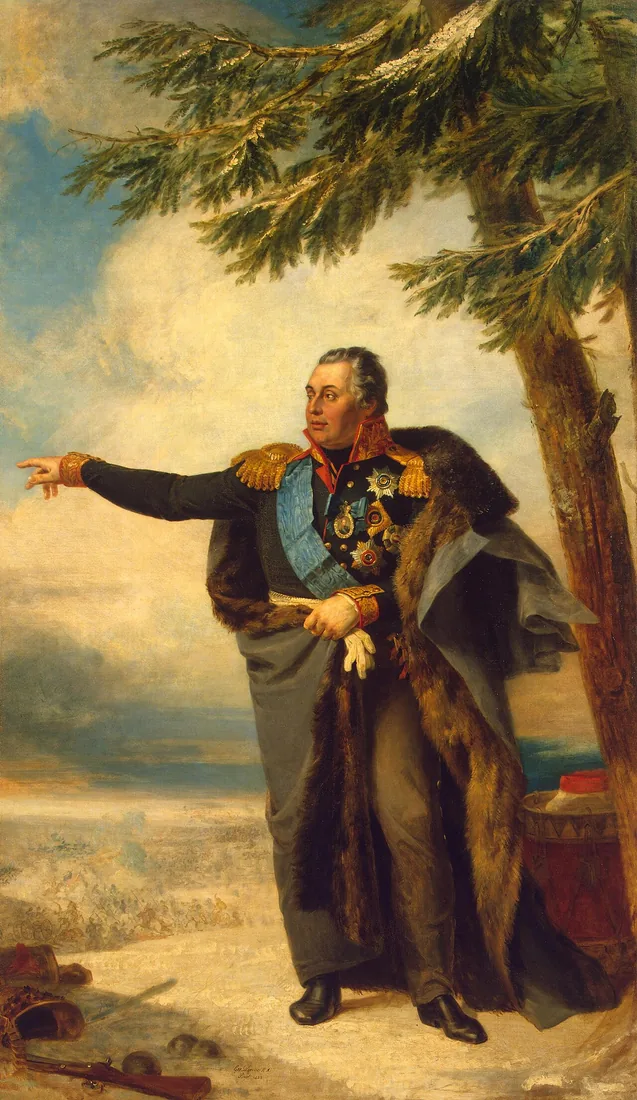
Napoleon’s invasion, the Battle of Borodino and the abandonment of Moscow brought severe trials. Under Mikhail Kutuzov, the Russian army continued the struggle that ended in the invaders’ expulsion.
An image of remembrance
In this story, the candle remembers those who died and those who would rebuild peaceful life.
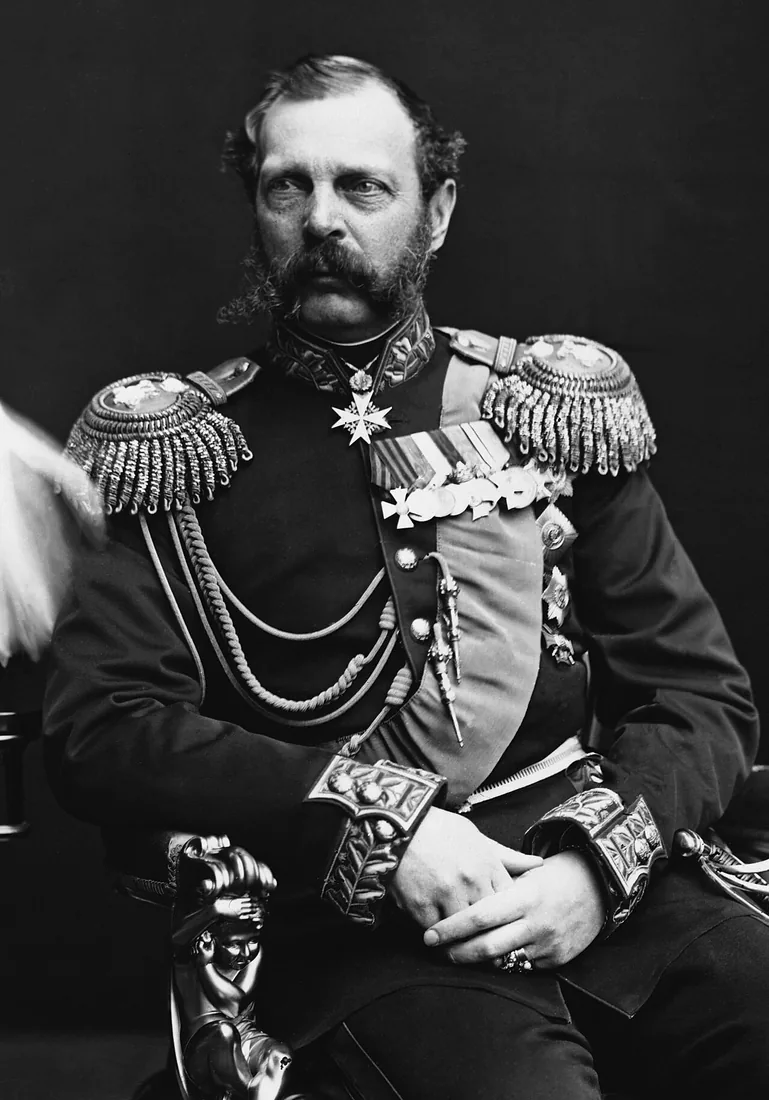
Society, industry and domestic life were changing in the 19th century. Advances in chemistry brought stearin and paraffin candles, and factory production grew in Russia. The Krestovnikov brothers’ factory in Kazan had produced stearin candles since 1855.
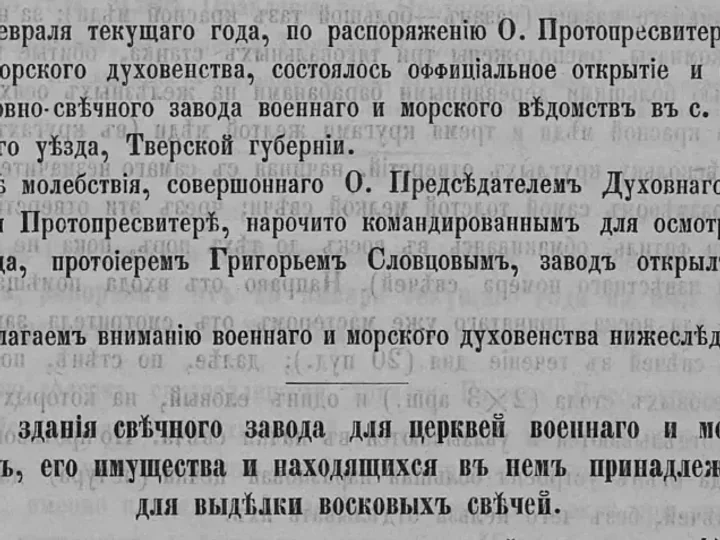
On 21 February 1893, Staritsa Candle Factory opened in Zelino, in the Staritsa district of Tver Governorate. The Herald of the Military Clergy reported its opening and consecration.
The source describes a stone building in three sections, a workshop with wax candle-making equipment and a steam boiler. Twelve people worked at the factory: ten craftspeople, a boiler attendant and a caretaker (pp. 219–221).
“…the official opening and consecration of the church candle factory… in Zelino, Staritsa district, Tver Governorate.” P. 219
The abdication of Nicholas II ended Romanov rule. The two revolutions of 1917 changed the state and millions of lives.
Candle making
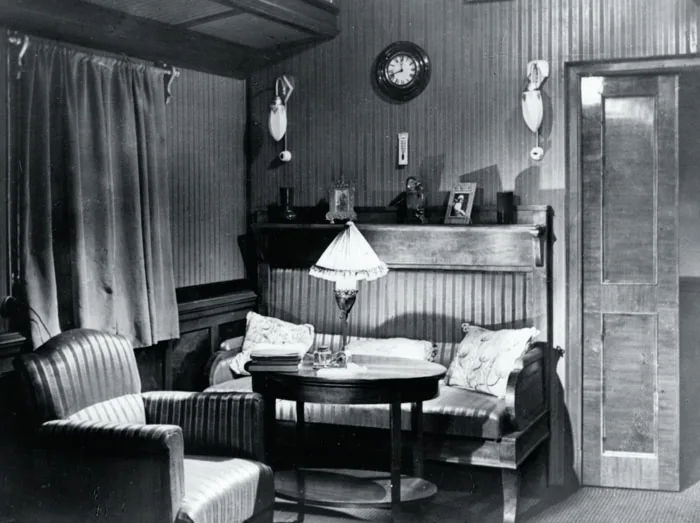
Urban lighting was changing too: candles already shared their place with kerosene lamps and electricity. A familiar object gradually gave way to new technologies.
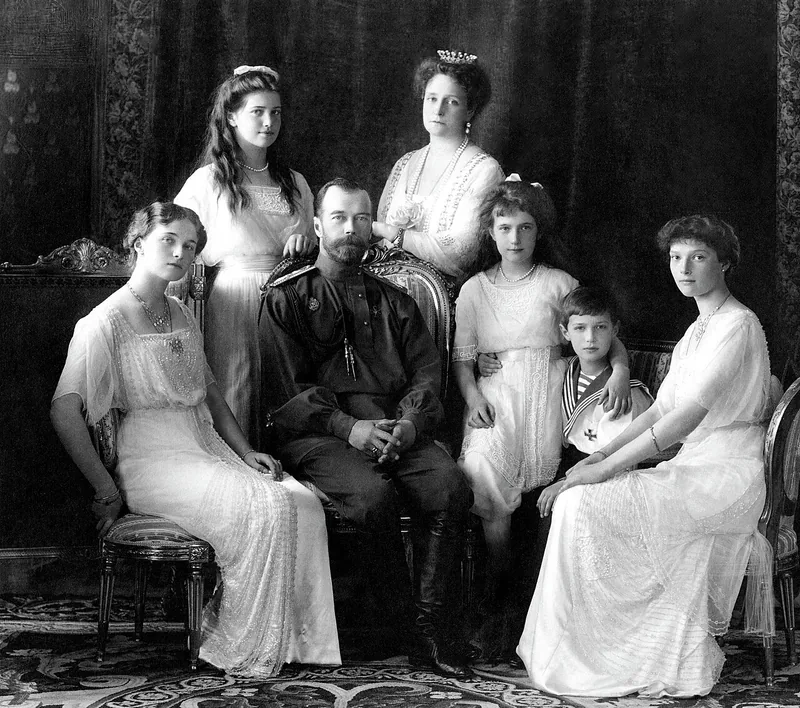
Nicholas II, his family and the people with them were killed in Yekaterinburg. Civil war divided the country; the formation of Soviet society lay ahead.
An image of remembrance
A family photograph recalls the individual lives behind historical dates, while the candle flame becomes an image of mourning.
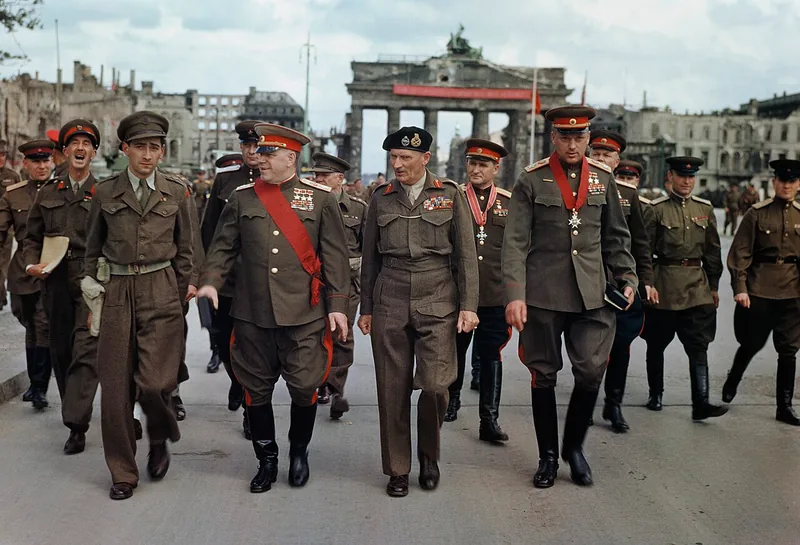
Victory in the Great Patriotic War brought peace after immense losses. Homecomings, the rebuilding of cities and lasting remembrance of those who did not return followed.
Candle making
Today, candles at commemorations connect family histories with the shared memory of war.
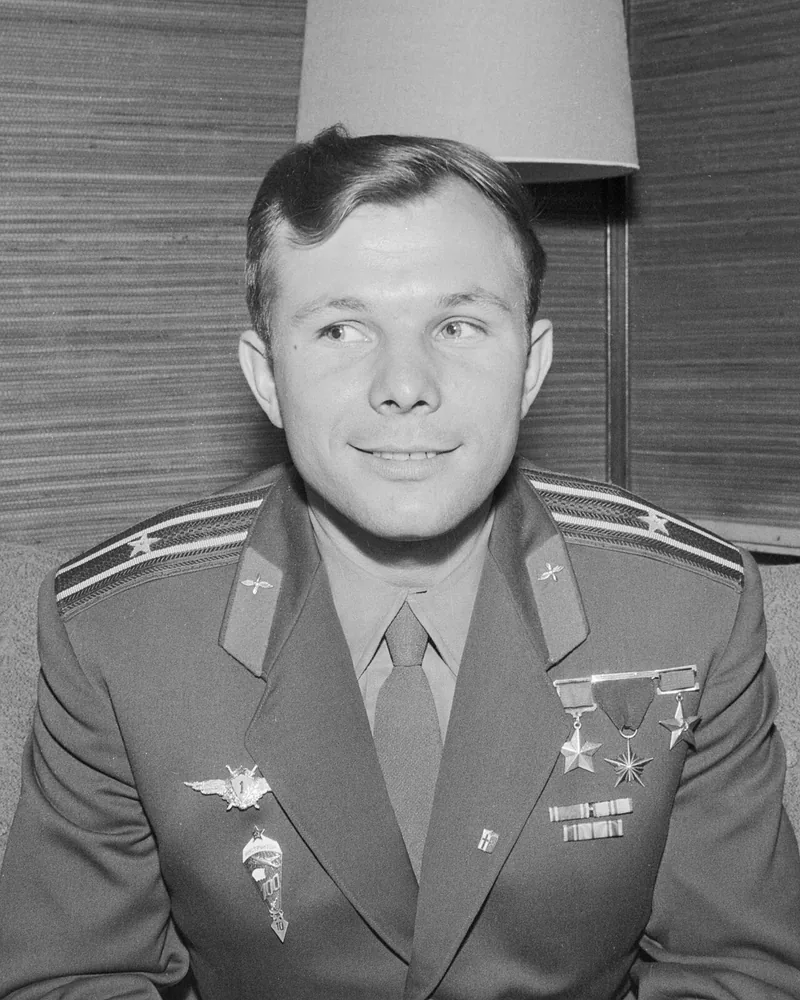
On 12 April, Yuri Gagarin became the first human to fly into space.
Candle making
Science and technology opened a new horizon, and electric light became part of everyday life. Candles were needed less often for ordinary illumination, yet remained in homes, celebrations and religious tradition.
The dissolution of the USSR opened a new historical period. On 25 December, the Russian SFSR was renamed the Russian Federation.
An image of remembrance
Institutions and daily life changed, while family and cultural traditions connected generations. Candles retained their place in prayer, celebration and remembrance.
In modern Russia, candles are lit in churches and homes, at celebrations and in memory of loved ones. The Candle of Memory initiative connects this personal gesture with the country’s shared history. Wax, stearin and paraffin remain candle-making materials. From medieval Rus’ to today, a living flame connects craft, culture and memory.
The factory’s story begins with a document. The surviving pages from 1893 bring us back to the place, people and craft behind candlelight. Today this heritage can be studied by carefully preserving its records.